
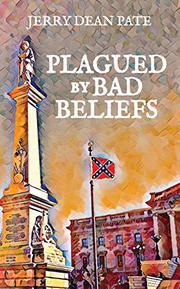
South Carolina, 1936. Journalist Betsy McCall is hoping to join the United Daughters of the Confederacy, an organization dedicated to honoring the valiant deeds of Rebel soldiers in the Civil War. Unfortunately for Betsy, the letter she brings as proof of her family’s involvement casts the Confederate soldiers in an unflattering light, and the women of the UDC eject her from the meeting. A colleague at Betsy’s newspaper isn’t surprised. Vernon Covington has long made trouble for the local powers that be, particularly regarding labor disputes. “Those people have their own version of what the truth is,” Vernon tells Betsy. “If you want to see what they’re like, go through those old newspapers the original owners wrote about the Civil War.” With dusty articles and Vernon as her guide, Betsy unearths just how the history of the South has been shaped in the preceding 70 years to distort the truth of the Confederate cause. In the process, Betsy uncovers the facts relating to the tragic death of her aunt Mildred Turnage, who led a strike against the owners of the local textile mill. At its best, Pate’s prose is funny and psychologically insightful, as here when Betsy stews over her rejection by the UDC: “Her thoughts permanently set on standby; ready to record and play back every slight, big or small. It ran in a never-ending loop of see, you’re not good enough that she could never shut off. Then she’d get mad at herself for thinking that way.” Unfortunately, the pointed novel is propelled more by its politics than by the internal lives or motivations of its characters. Betsy and Vernon become a frame narrative for smaller stories stretching back to the Civil War era, and while some of them are entertaining, their didactic function outweighs any real sense of verisimilitude. The book also feels long at nearly 400 pages, particularly because its structure impedes the narrative’s momentum.
Source:kirkusreviews
Comments
Post a Comment